
System-on-Module
Your go-to System-on-Module for seamless product development
Your go-to System-on-Module for seamless product development

A System-on-Module (SoM) brings the core computing functions of an embedded system, including the processor, memory, and key interfaces, onto a compact module that integrates with an application-specific carrier board. This modular approach reduces the effort involved in developing the computing platform from the ground up and allows engineering teams to focus on product-specific functionality.
Tessolve provides System-on-Module design services spanning SoM development, carrier-board design, hardware and software integration, BSP and device-driver development, validation, and application enablement. Our SoM development expertise supports scalable embedded platforms for automotive, industrial, edge, and connected applications, with solutions tailored to processing, connectivity, interface, and environmental requirements.
System on Modules (SoM) offers a reliable and cost-effective way of developing
embedded products. Tessolve has SoM offerings based on leading Arm-based System
on Chips (SoC) which can be targeted for various embedded applications.
Customers can buy SoM alone from Tessolve and develop the full system around
that on their own OR use Tessolve’s engineering expertise along with SoM to develop
full-fledged end to end ODM product.
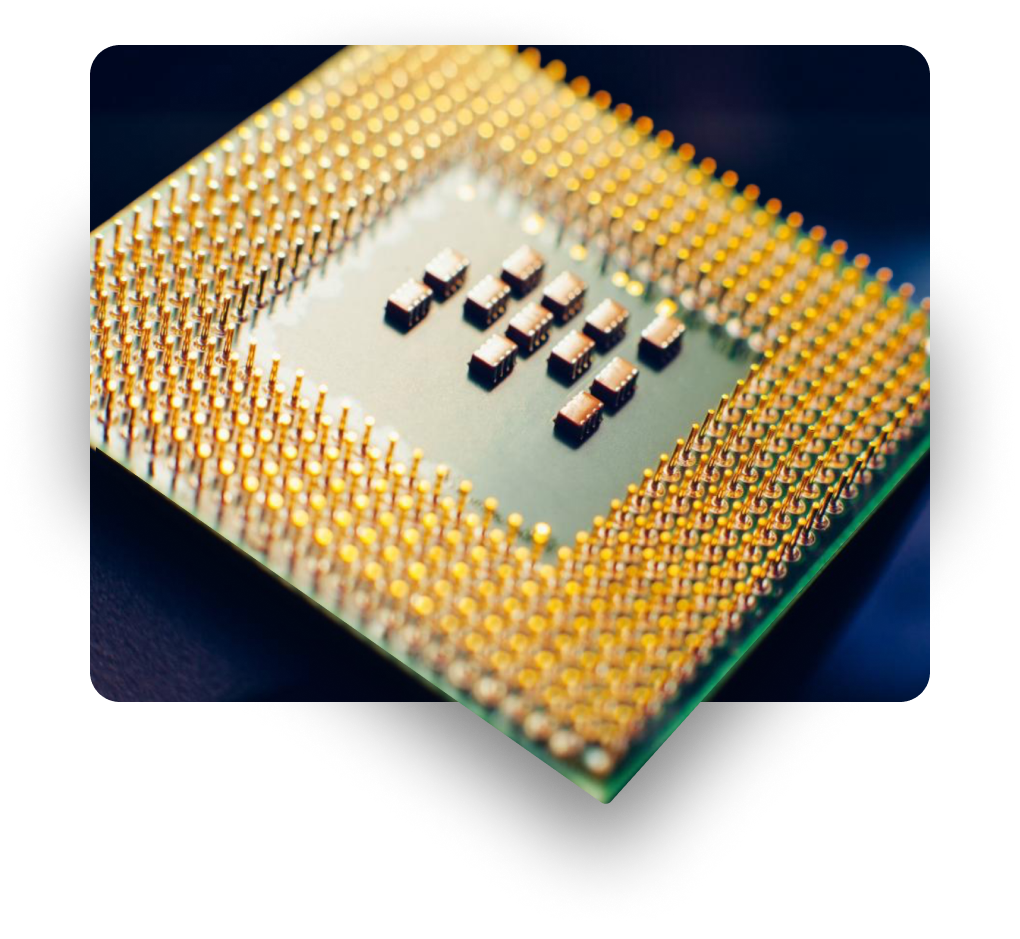
Our offerings at Tessolve include a diverse selection of System on Modules (SOMs) compliant with SMARC, Q7, OSM, and Nano standards. Alongside the modules, we supply application boards for straightforward evaluation and a comprehensive software suite with BSP, SDK, and API. This integrated solution supports efficient development and accelerates time to market. Our SOMs are available in both Industrial and Automotive temperature grades to address different application needs.

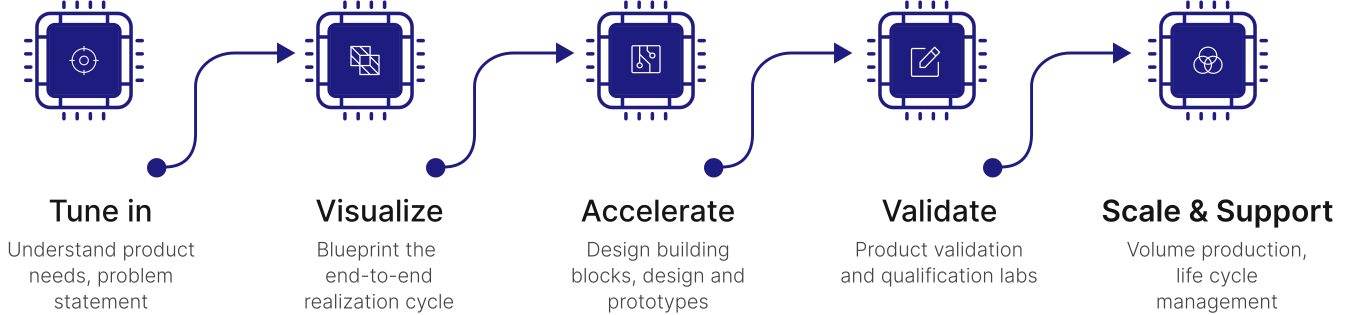

compute solution along with Application Boards

BSP, APIs & SDK support

offerings based on industry-based standards like SMARC or OSM

via form factor-driven Application Boards

time to market

solutions with extreme operating conditions

availability & support
A System-on-Module integrates a processor, memory, and essential interfaces on a compact module. It connects to a carrier board that provides the application-specific interfaces and functionality required by the end product.
A SoM reduces hardware design effort, simplifies system integration, and can shorten product development cycles by providing a reusable, pre-integrated computing platform.
The SoM contains the core processing and memory functions, while the carrier board provides product-specific interfaces, connectors, peripherals, power circuitry, and other application requirements.
A SoM is designed to be integrated into a custom carrier board, while an SBC typically provides the processor, memory, interfaces, and connectors on a standalone board for direct use.
Tessolve provides SoM design services covering module and carrier-board development, hardware-software integration, BSP and driver development, validation, and application enablement.
Tessolve develops SoM-based platforms for automotive, industrial, edge computing, HMI, connectivity, and other embedded applications requiring scalable processing and interfaces.
Yes. Tessolve supports BSP, device drivers, operating-system enablement, SDK integration, and application development for SoM-based embedded platforms. Tessolve’s S32G2 platform, for example, includes Linux/BSP and SDK support.



Copyright © 2026 Tessolve | Privacy Policy | Cookies Policy